Texas landlords can protect rental property through organized records, clear lease enforcement, and lawful eviction preparation. Start with the facts.
Identify the rental-property concern
A rental home represents years of savings, borrowing, repairs, and responsibility. When a tenancy stops working, protecting that investment is a legitimate business concern. An owner does not have to treat missed obligations as an indefinite arrangement.
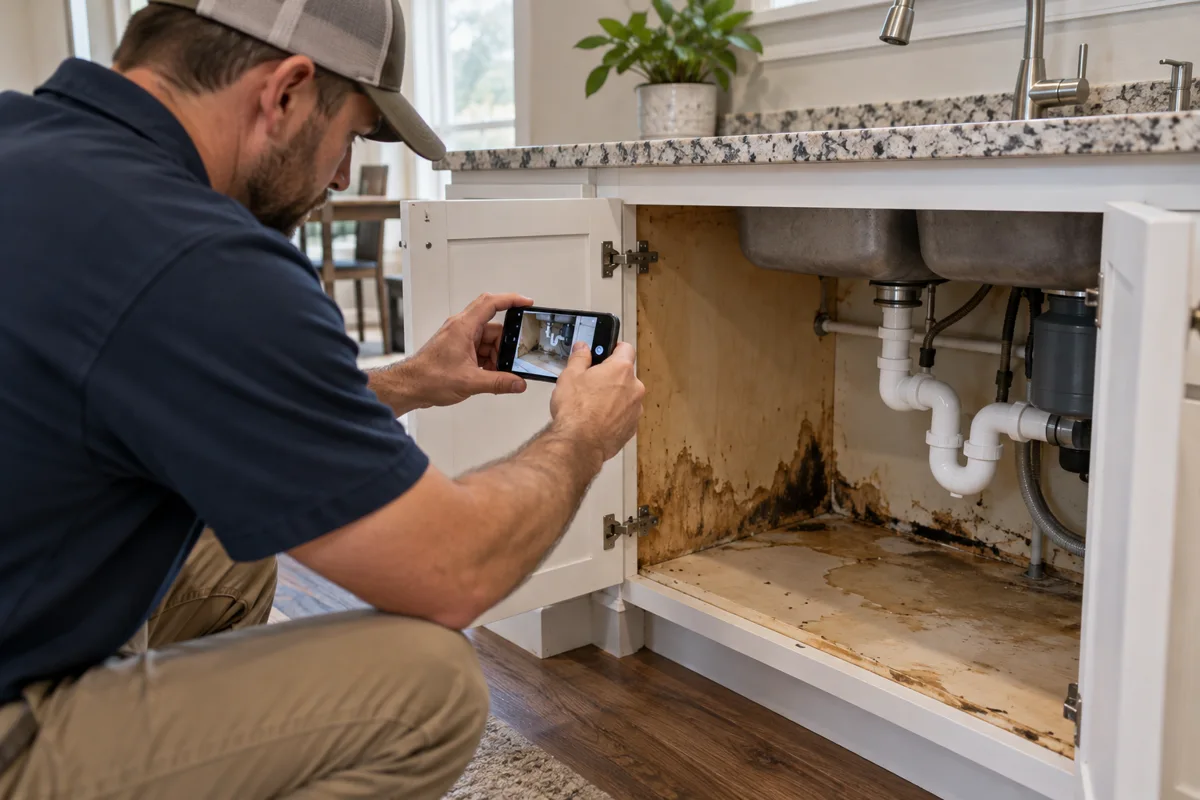
Property protection starts with a clear record. Keep the signed lease, payment history, maintenance requests, inspection reports, and important messages in one place. When a problem appears, describe the specific obligation involved. “Rent for September remains unpaid” is more useful than “the tenant is always difficult.”
Choose a practical resolution
Next, decide what outcome would solve the problem. Payment, correction of a lease violation, a voluntary move-out agreement, or lawful recovery of possession may each deserve consideration. A measured response gives the landlord a direction and keeps communication focused.
If eviction becomes necessary, use the required notice and court procedures. Pressure tactics can turn a manageable business problem into a second dispute. Ownership matters, but recovering possession still requires the appropriate legal process.
Prepare for lawful recovery
Responsible landlords provide housing, maintain buildings, and carry costs that continue even when income stops. They deserve practical ways to enforce legitimate agreements. A prepared file and a lawful response help preserve both the property and the owner's ability to operate it.
For help organizing the next steps in a Texas eviction, visit Lone Star Eviction Services.
This article provides general educational information. Lease terms, current law, court rules, and individual circumstances affect the appropriate steps. Lone Star Eviction is not a law firm and does not provide legal advice.