Rental homeowners and property managers can reduce surprises through lawful inspections, consistent condition records, and documented maintenance follow-up.
Plan appropriate inspection access
Landlords often discover a serious condition only when a tenancy is ending. A thoughtful inspection program can help identify maintenance problems earlier and build a reliable property history.
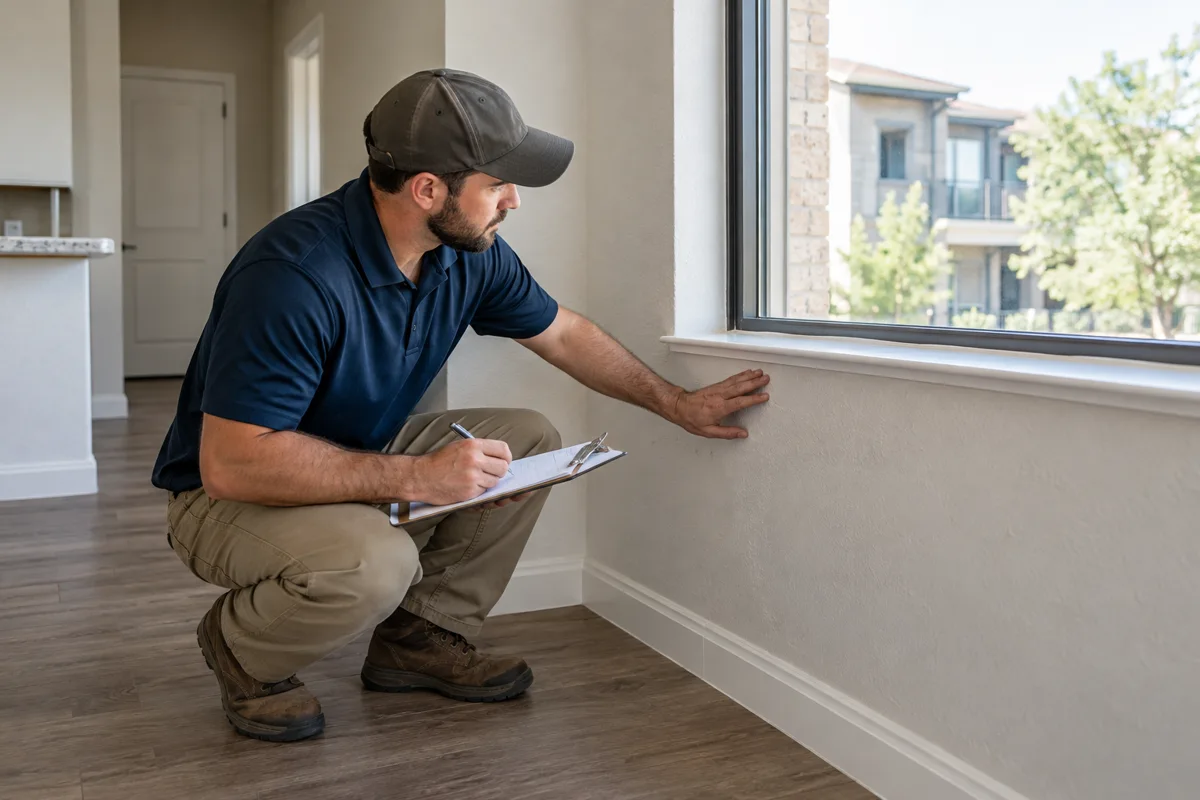
Plan inspections around the lease and applicable access rules. Explain the purpose, coordinate appropriately, and respect the occupant's privacy. An inspection should serve property management rather than become a pressure tactic in a dispute.
Document conditions consistently
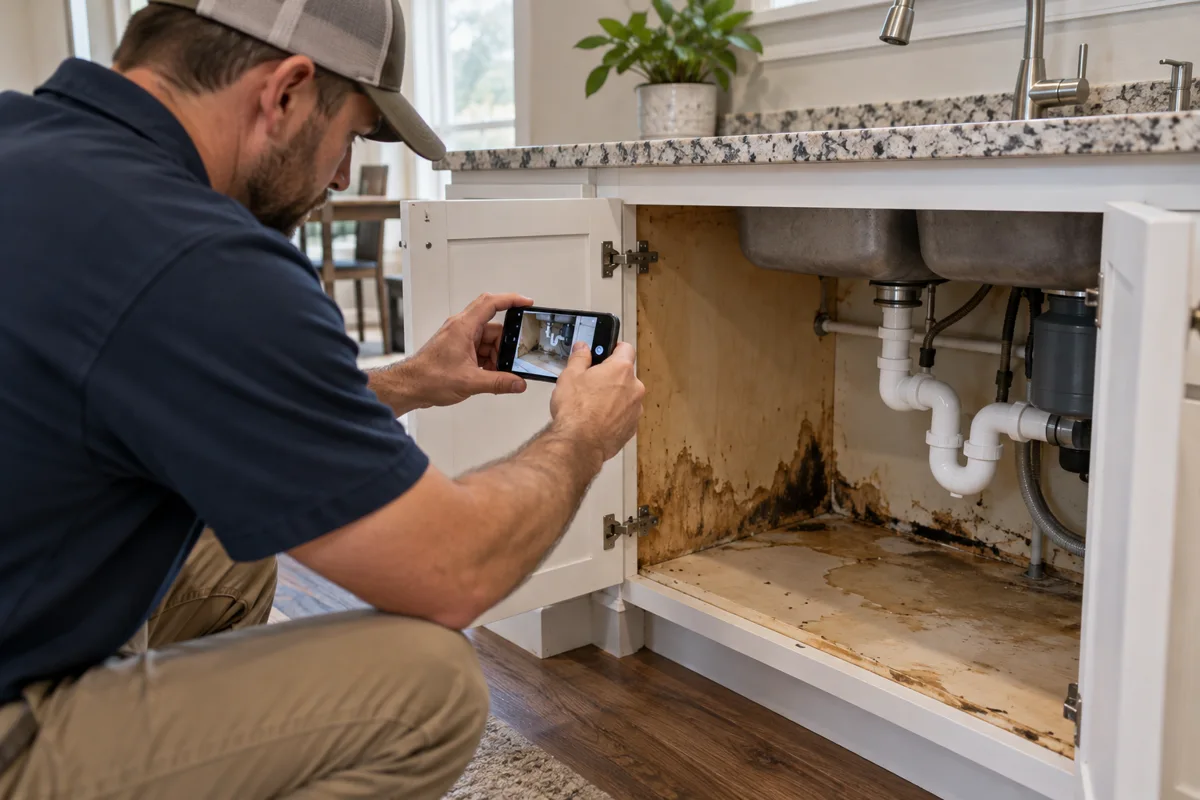
Use a consistent checklist. Review visible signs of leaks, safety concerns, equipment condition, and areas requiring attention. Record observations with dates and photographs where appropriate, avoiding unnecessary personal details.
Follow up on findings. A photographed problem that receives no response may become a more expensive repair. Record what was reported, who handled it, and when the work was completed.
Follow up on maintenance findings
Compare conditions over time without assuming every change is tenant-caused damage. Aging, ordinary use, weather, and maintenance history may all matter. Keep vendor assessments where responsibility is uncertain.
Good inspections protect the asset while reducing surprises. If a documented lease issue later requires enforcement, the landlord has a clearer factual record. For help organizing that record when eviction may be necessary, visit Lone Star Eviction Services.
This article provides general educational information. Lease terms, current law, court rules, and individual circumstances affect the appropriate steps. Lone Star Eviction is not a law firm and does not provide legal advice.