Rental homeowners can protect their property by documenting damage, comparing move-in records, and separating urgent repairs from enforcement decisions.
Record the condition safely
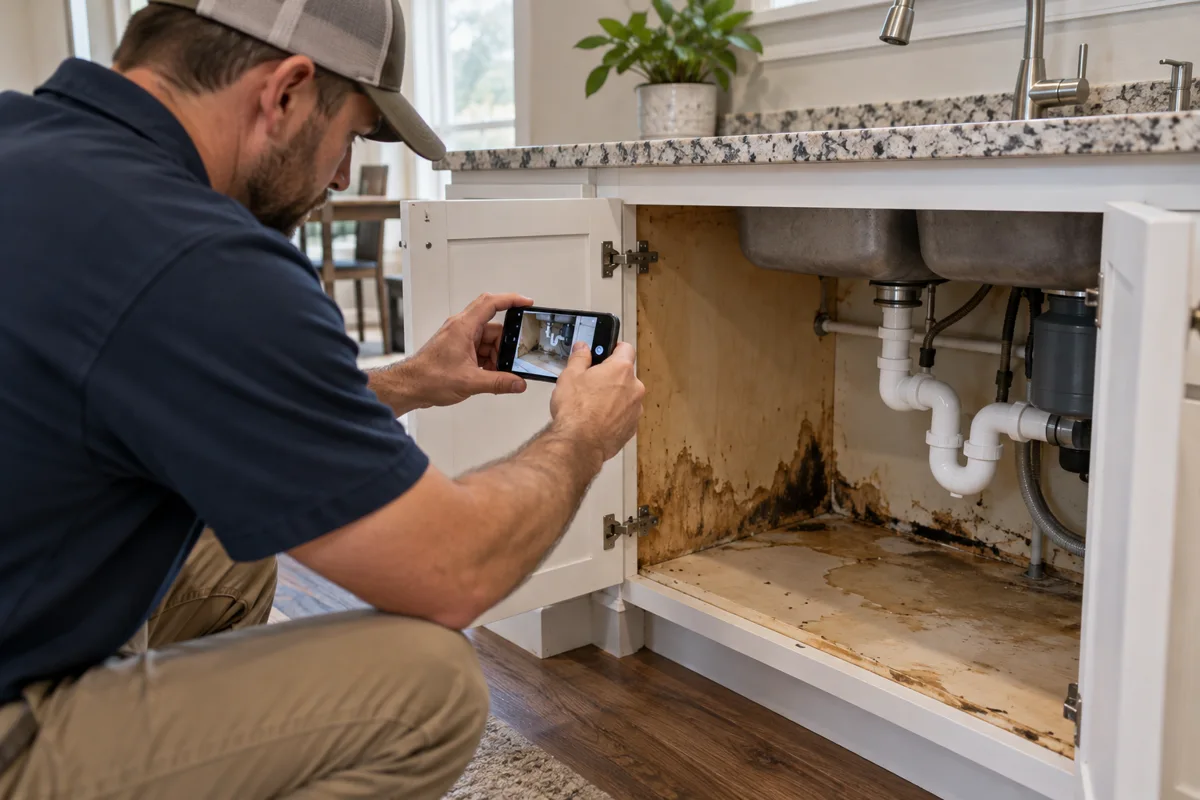
A damaged door or soaked cabinet can create an immediate emotional response. For a landlord, the more useful response is a careful record that separates what happened from what is still uncertain.
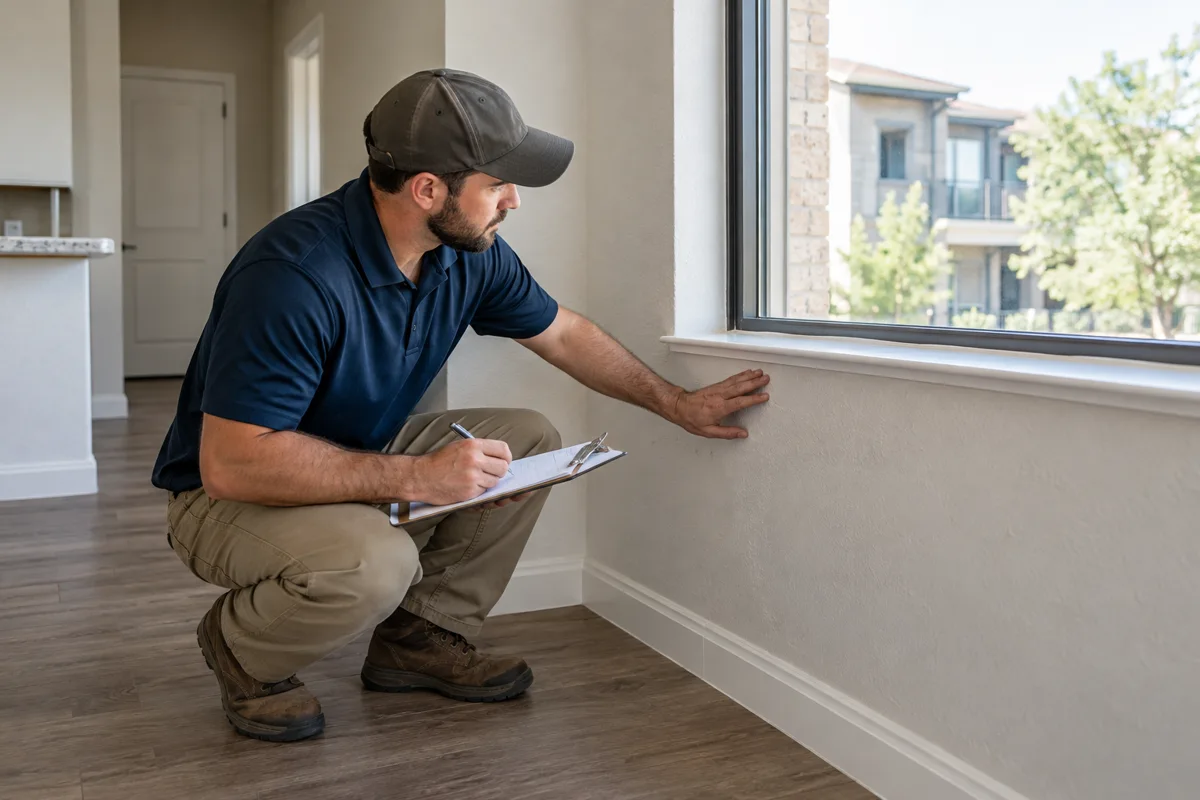
Address urgent safety and maintenance issues first. Then document the condition through lawful access, dated photographs, repair notes, and vendor findings. Preserve move-in records so the current condition can be compared with the starting condition.
Investigate responsibility with facts
Avoid jumping from a photograph to a conclusion about responsibility. A water stain might involve misuse, an aging pipe, or a problem reported earlier. Ask vendors to describe observations and work performed, without turning them into investigators of tenant intent.
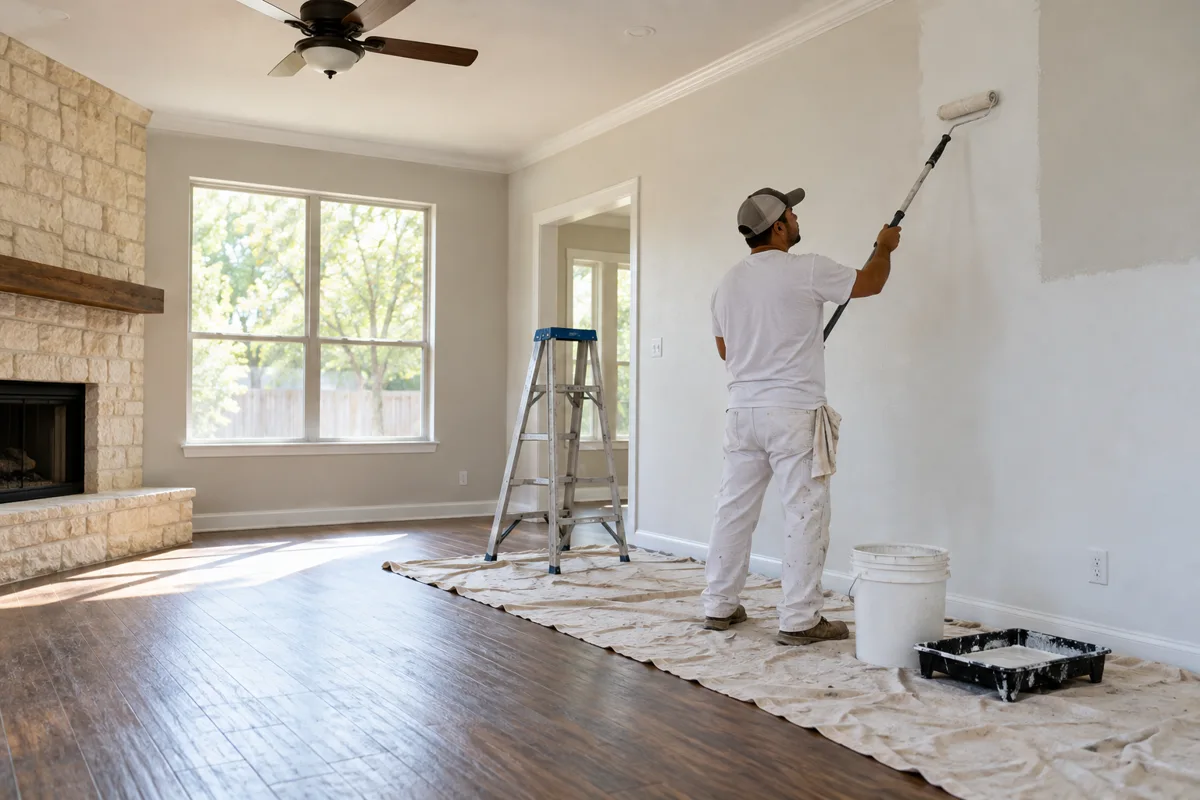
Keep the repair decision separate from the enforcement decision. Protecting the building may require prompt work even while responsibility is disputed. Record expenses and communications so any later review has a reliable chronology.
Plan repairs and enforcement separately
If a lease violation may justify ending the tenancy, evaluate the agreement, evidence, and applicable process. Damage concerns do not authorize an owner to improvise a removal or discard an occupant's property.
Landlords deserve to protect the physical asset they own. Careful evidence helps them act on facts and choose a proportionate response. For help organizing documents when a tenancy may require eviction, visit Lone Star Eviction Services.
This article provides general educational information. Lease terms, current law, court rules, and individual circumstances affect the appropriate steps. Lone Star Eviction is not a law firm and does not provide legal advice.